LEGACYLINK
Recording Africa's elders, rebuilding what was taken, and putting both back within reach.
In this issue
Contents
- p.02The NeedWhen an elder dies, a library burns.
- p.06The Time MachineThirteen centuries in one scroll.
- p.10In Their Own WordsHow an elder is recorded, from invitation to archive.
- p.14RememoryBringing back what was taken, lost or locked away.
- p.18ExhibitionsThe exhibition that just closed.
- p.22In PrintCNN, TechCabal, TechFyle and more.
- p.24Take PartNominate an elder, host an exhibition, partner.
Feature · The Need
When an elder dies, a library burns.
Most of what our grandparents know was never written down.
“When they eventually die, it's like a library being burnt.”Malik Afegbua · founder, Slickcity Studios · via TechCabal
How they courted, what they ate, which songs went with which work, what the town looked like before the road came through. It lives in people who are now in their eighties and nineties, and when they go, it goes with them.
Legacy Link sits down with those elders and records them properly: long-form video interviews, their own words in their own language, and 3D scans of the things they kept — masks, drums, cloth, heirlooms. Each interview is checked and translated by people who speak the language, not left to a machine.
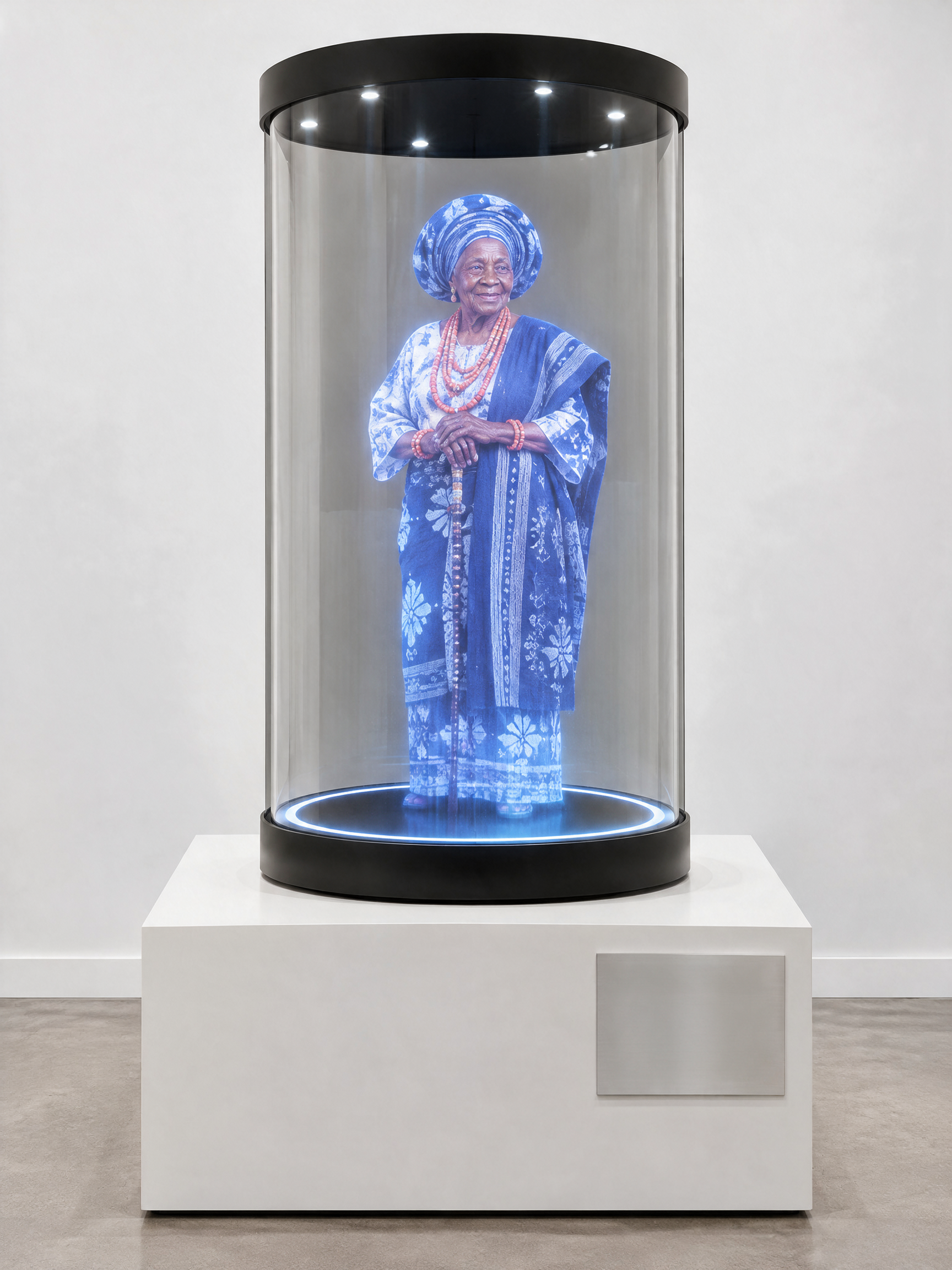
From that record we build digital twins: a way for a grandchild, a student or a stranger in an airport to ask an elder a question and hear an answer grounded in what that elder actually said. The models are kept to the verified interviews and say so when they are guessing.
It is also a data question. African stories are thin in the datasets the world is building on. A record that is collected with consent, held in Africa and owned by the communities it comes from is how that gets corrected.
Not only the interviews
A great deal of African heritage now sits in foreign museums, in ruins, or in places too unsafe to visit. Through Rememory, Legacy Link restores and recreates those artifacts and sites so they can be used for education and opened up to the people they belong to.
Feature · The Time Machine
Thirteen centuries in one scroll.
Scroll to travel. Each stop is a moment Legacy Link and Rememory are working to keep, from the walls of Benin to an elder you can one day ask a question. Use the dial or the arrows to jump.
-
c. 700 – 1400
Benin City
The walls go up
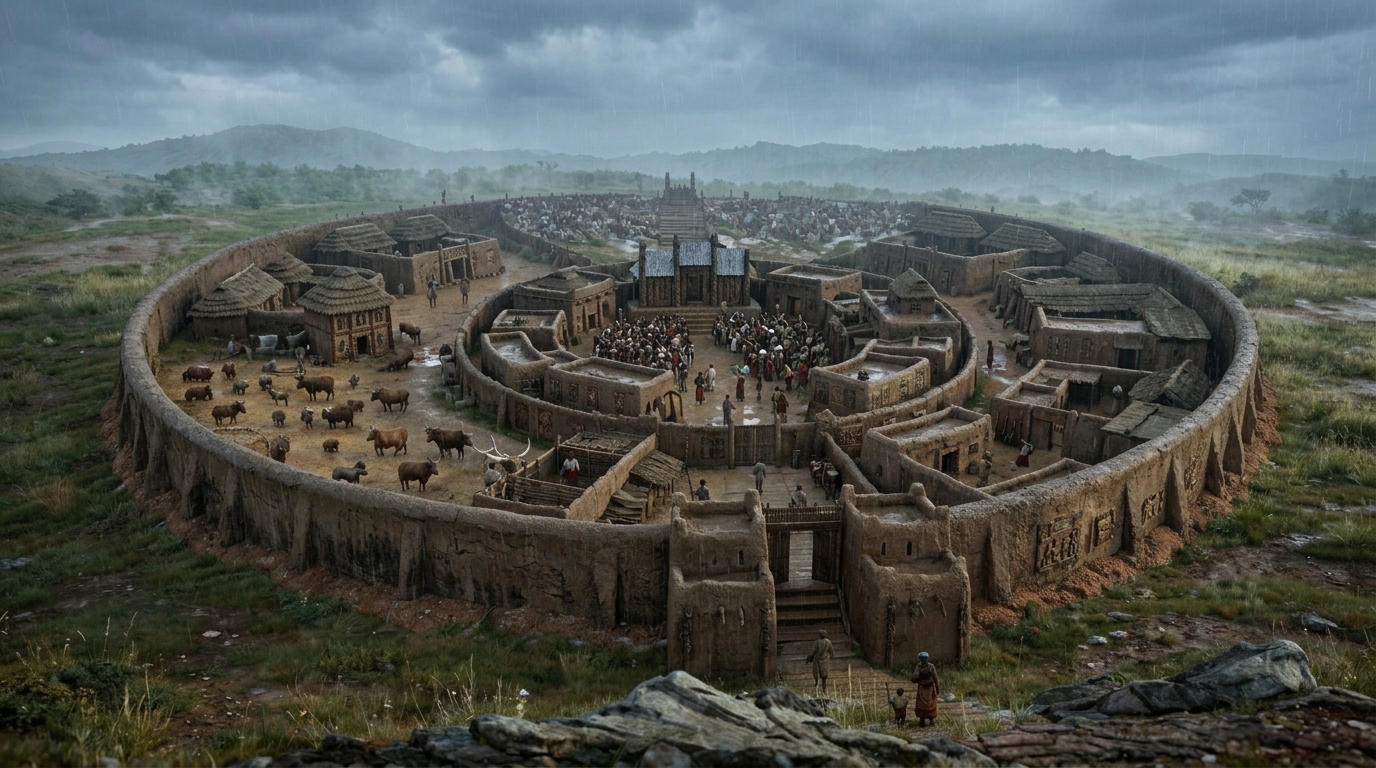
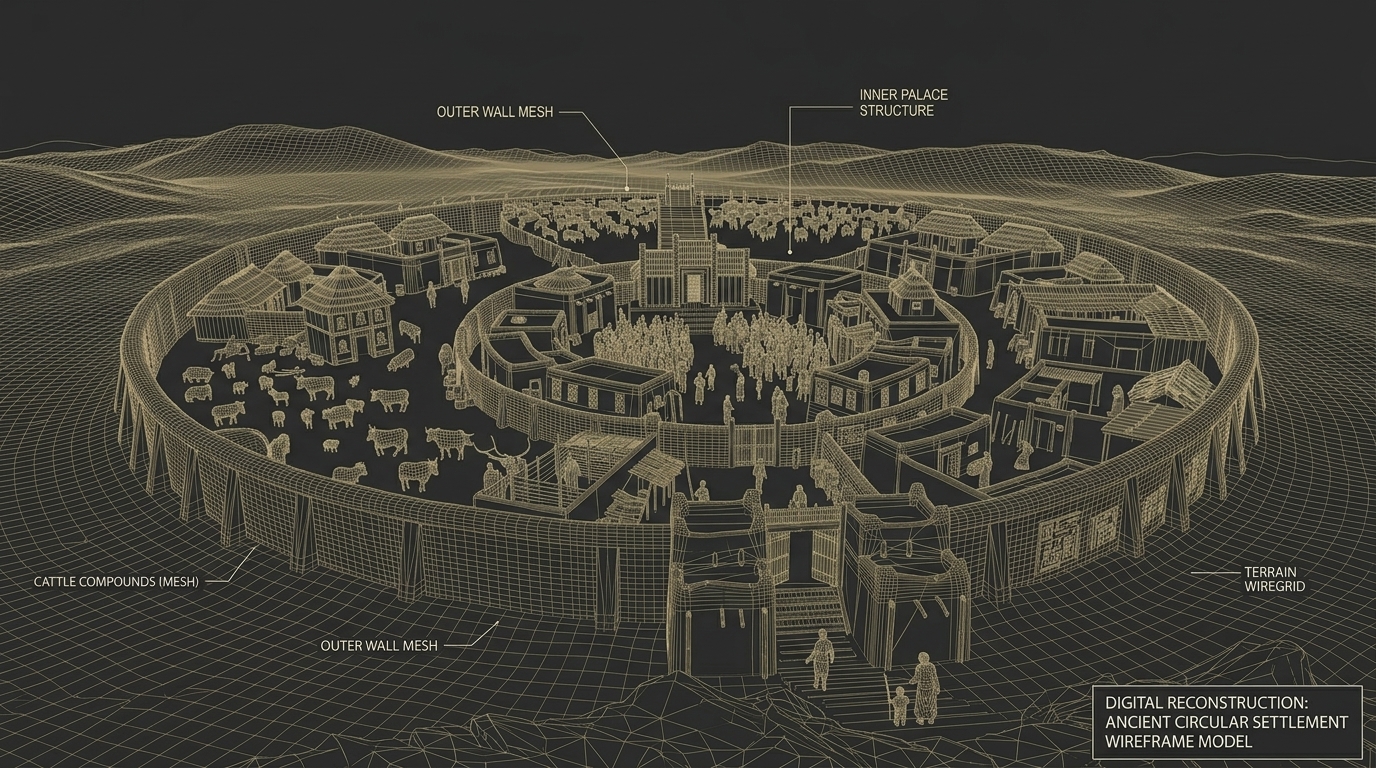
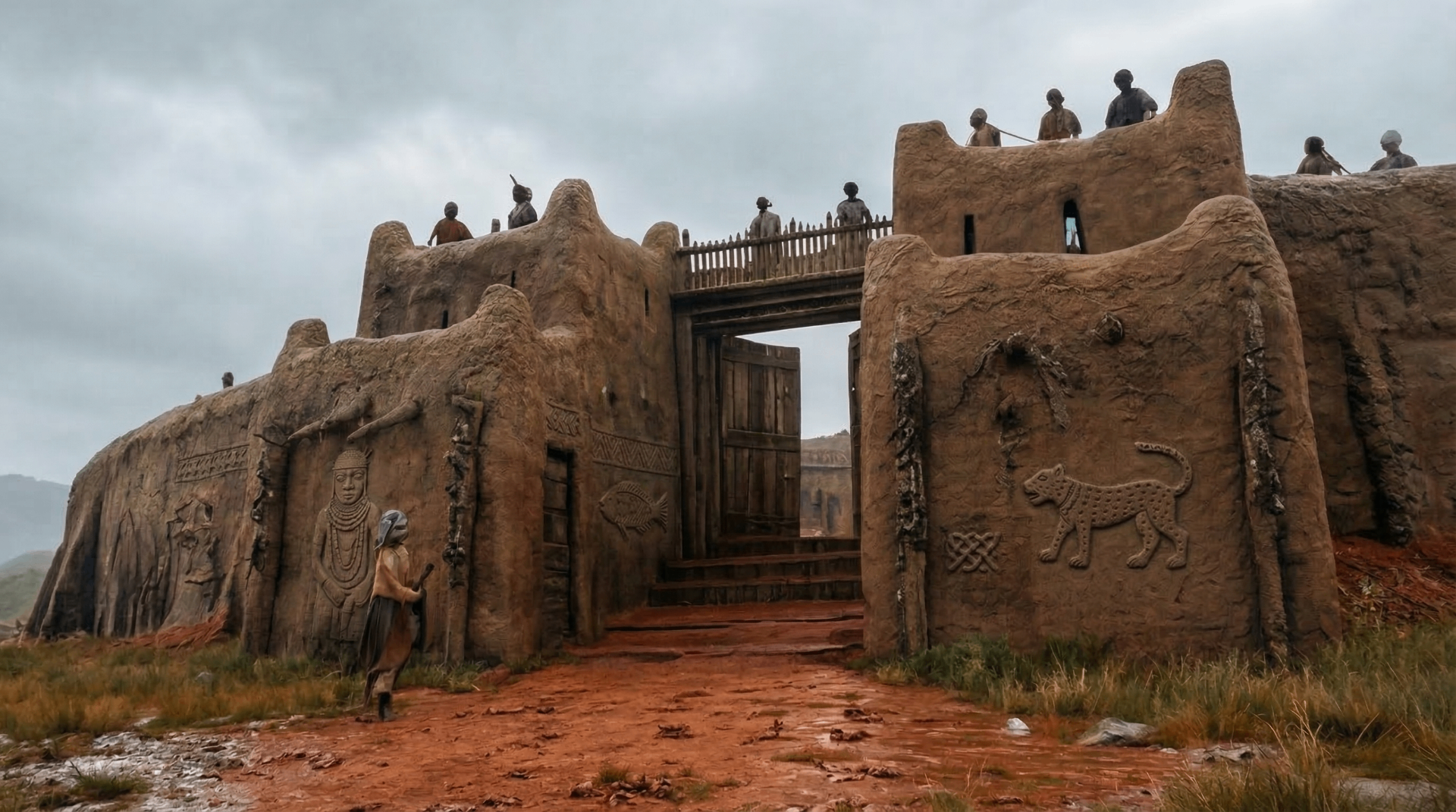
Earthworks around Benin City grow to about 18 metres high and more than 1,200 km long, built between the 7th and 14th centuries. Rememory is rebuilding them from records and research.
-
c. 1500
Kano
The dye pits open
The Kofar Mata indigo dye pits begin five centuries of work. Insecurity makes them hard to visit today, so they were filmed in virtual reality.
-
1897
Benin City
The city is taken
British forces sack Benin City. Thousands of bronzes and carvings leave for museums abroad, where most still are.
-
1967 – 1970
Nigeria
A war some still won't speak of
The Civil War is still raw for many of the elders we meet. Some subjects are handled slowly or not at all. Nobody is pushed to speak about what they are not ready to.
-
2026
Ikorodu → Ilorin
The elders sit down
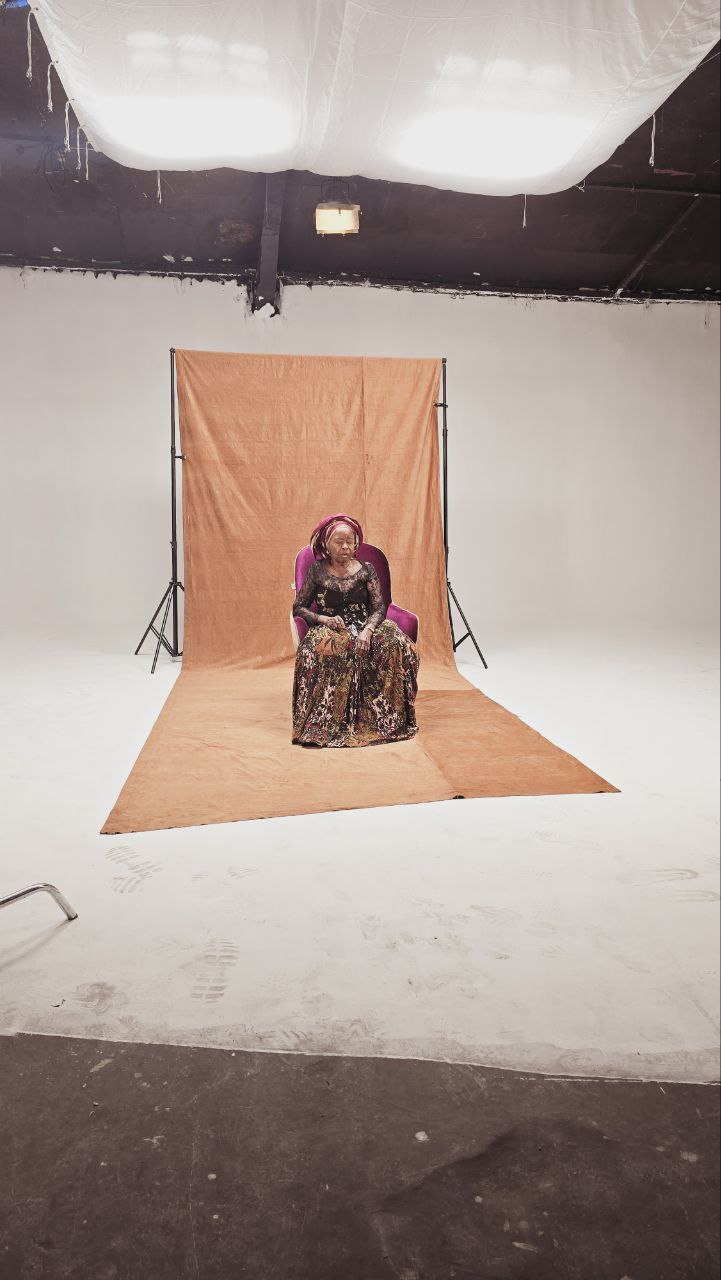
Fifteen elders recorded by spring, from traditional chiefs in Ikorodu, Lagos State, to a 120-year-old elder in Ilorin.
-
2026
Rememory
The bronzes, back within reach
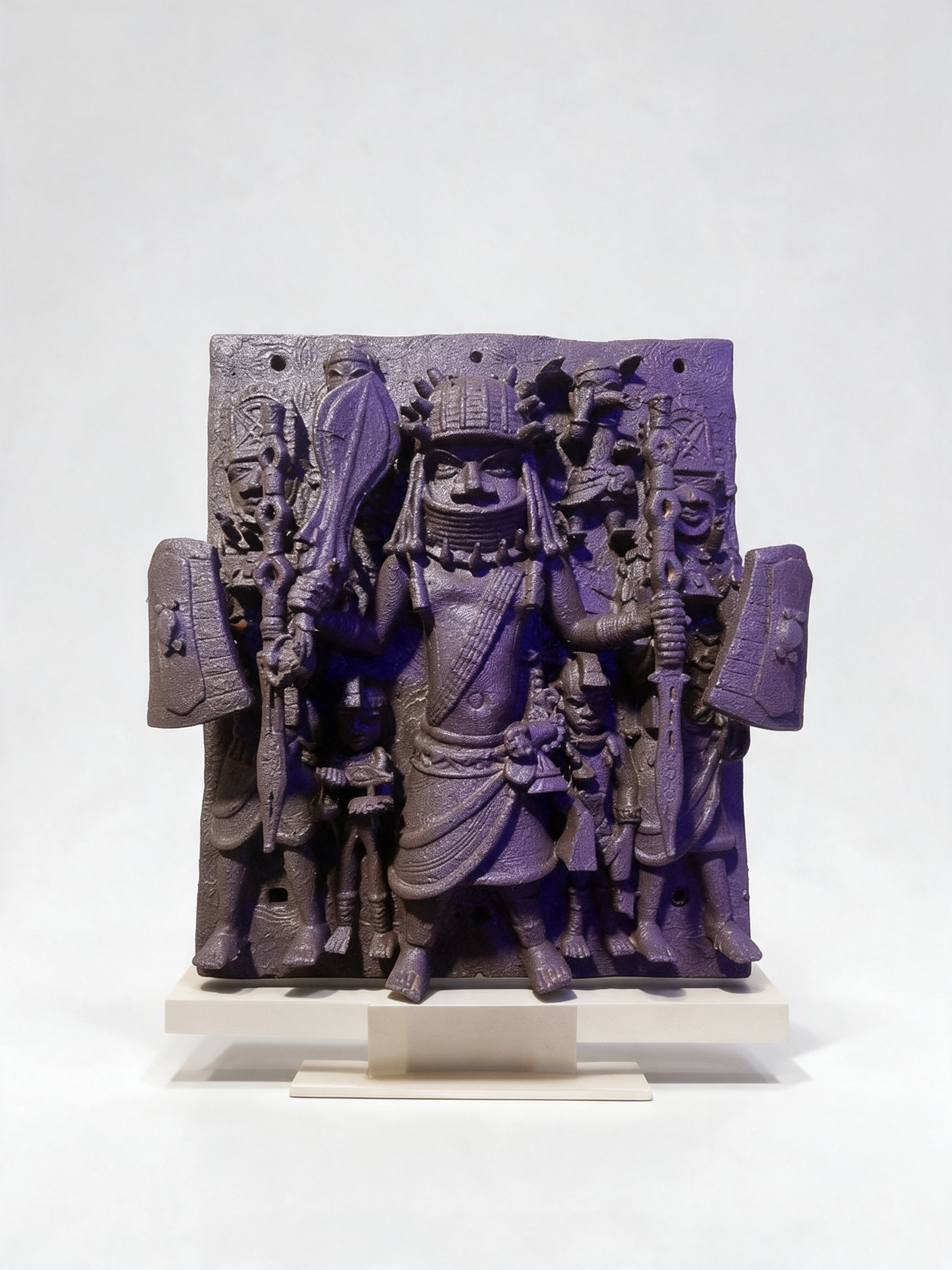
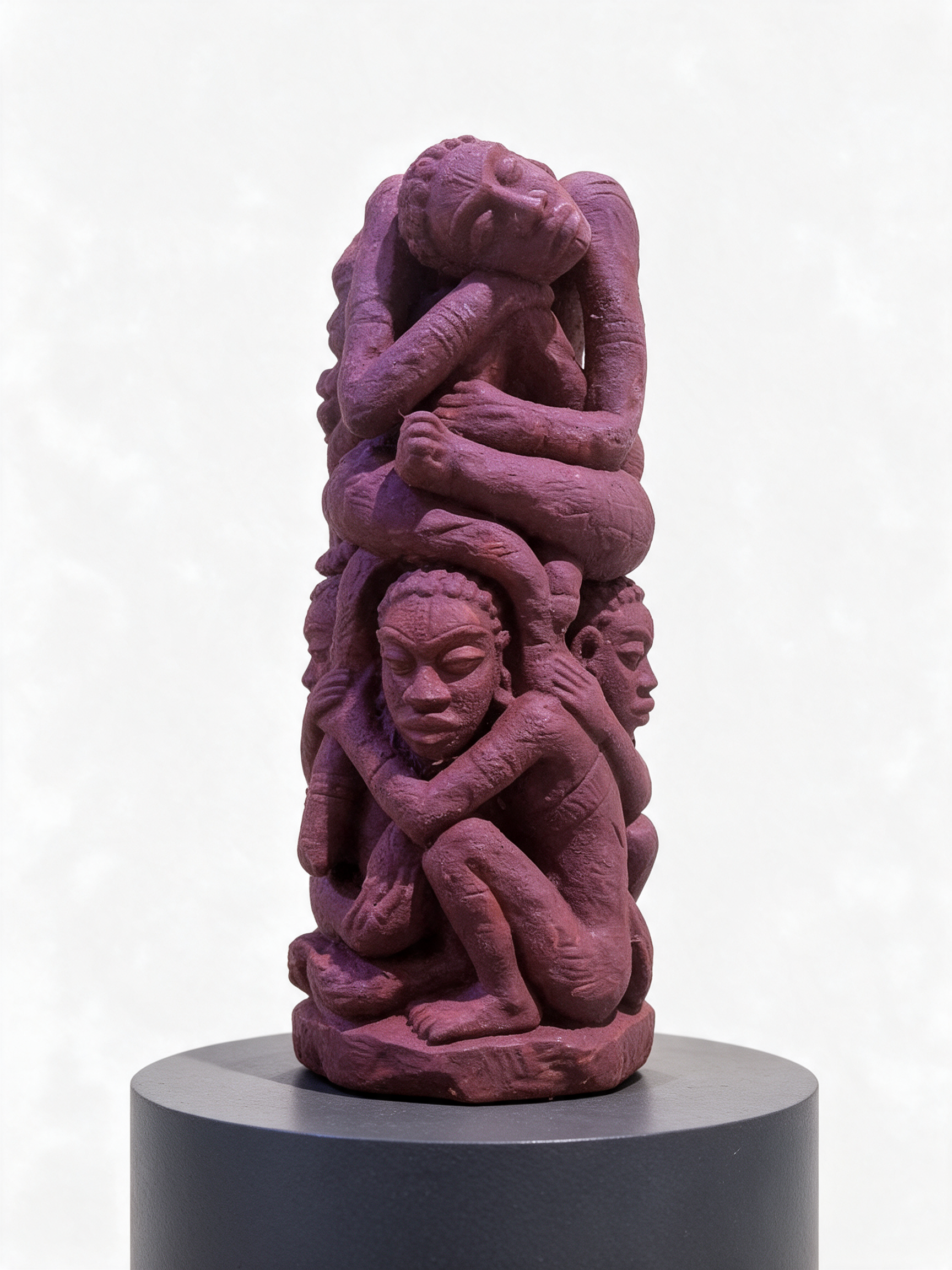
A 3D-printed reproduction of a Benin plaque. Most Nigerians have only seen these works in photographs. Now they can hold one.
-
3 November 2026
Abuja
Elders at eye level
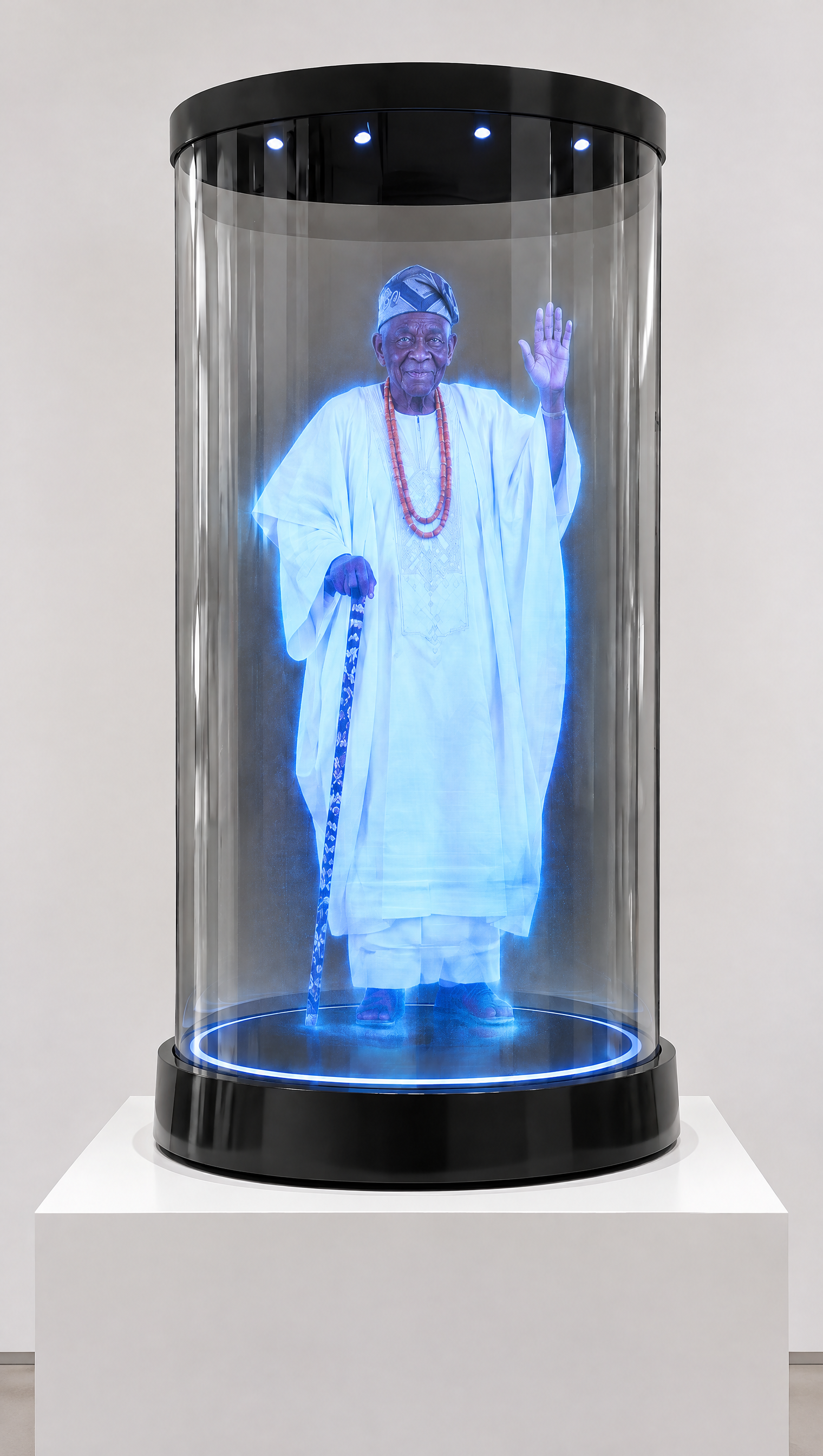
At the AI Exhibition of the Oxford Global Think Tank Leadership Conference, elders stood life-size in Holoboxes beside the Rememory prints.
-
2028
Nigeria · Kenya · Cameroon
One thousand elders
The target: 1,000 elders recorded by 2028, with Kenya and Cameroon after Nigeria.
-
Next generation
Anywhere
Ask an elder
Digital twins built only from what each elder actually said, so a grandchild, a student or a stranger in an airport can ask a question and hear the answer.
Feature · In Their Own Words
The elders sit down.
Interviews have taken place across Nigeria, from traditional chiefs in Ikorodu, Lagos State, to a 120-year-old elder in Ilorin. Some subjects, like the Civil War, are handled slowly or not at all. Nobody is pushed to speak about what they are not ready to.
Elders and their families are invited, and nothing is recorded without consent.
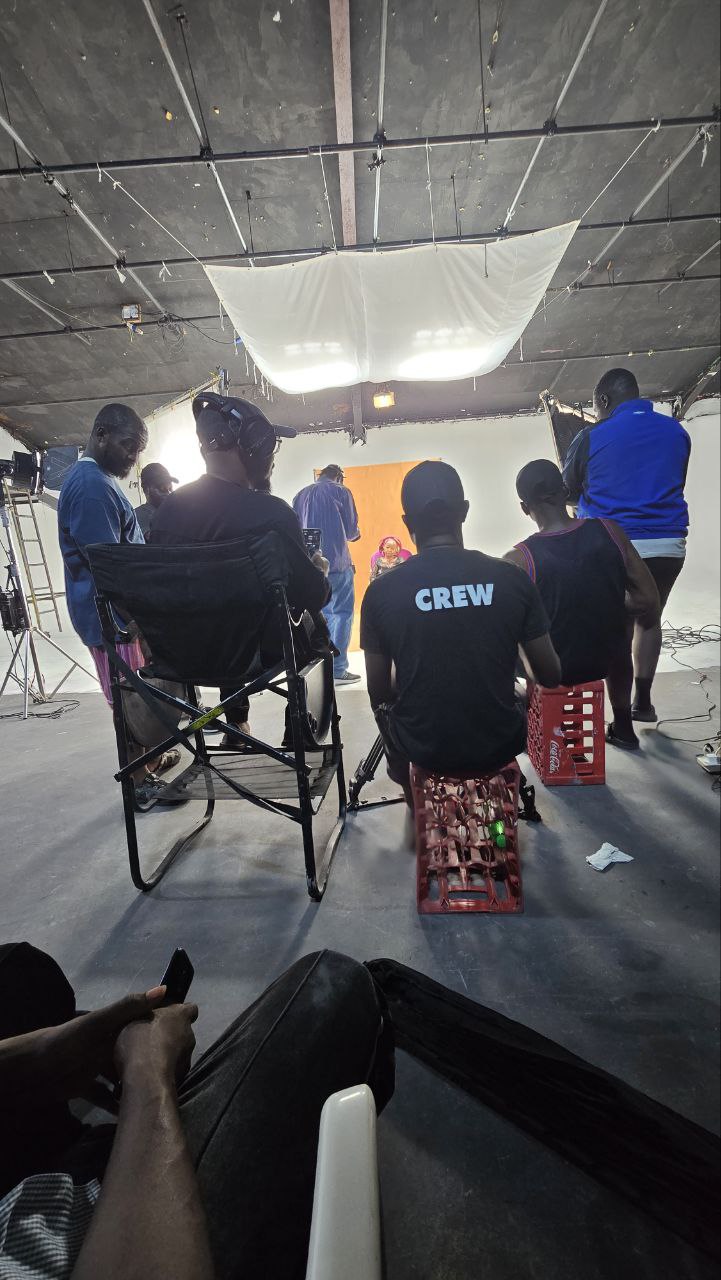
A long-form filmed interview, in the elder's own language, with the objects they choose to share scanned in 3D.
People who speak the language transcribe, translate and check every interview.
The verified interview joins the archive and becomes the source for that elder's digital twin.
On set · Legacy Link interview sessions · Tap to enlarge
Feature · Rememory
Bringing back what was taken, lost or locked away.
Legacy Link records people. Rememory works on objects and places.
A great deal of African heritage now sits in foreign museums, in ruins, or in places too unsafe to visit. Rememory rebuilds it from historical records, archive photographs and academic research, then makes it something you can hold, walk through or study.
That means 3D-printed reproductions of sculptures and bronzes that were taken or are out of reach, virtual reconstructions of sites like the Walls of Benin, and VR films such as the Kofar Mata dye pits in Kano.
Where the record has gaps, we say so. The aim is to get as close as the evidence allows, not to invent.
Site reconstruction
The Walls of Benin
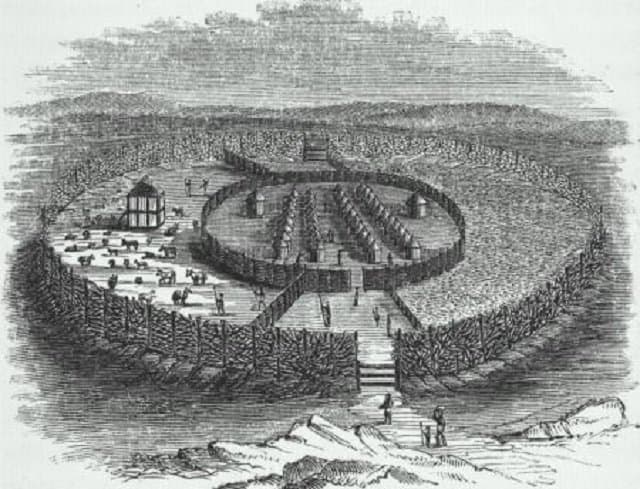
Earthworks once around 18 metres high and over 1,200 km long, built between the 7th and 14th centuries. Drag across the image to move from the archive engraving to the Rememory reconstruction.
ArchiveReconstruction
VR film
Kofar Mata dye pits, KanoThe indigo dye pits of Kano have been in use for five centuries. Security concerns make physical access difficult, so the pits were captured in immersive virtual reality.
A student in Lagos or Kano can study a Benin plaque, turn it over and print it, without a plane ticket to London.
Material is prepared for as many languages as possible, with human translators doing the work AI still gets wrong.
Scans, interviews and reconstructions stay under African control, with contributors credited and paid when their material is used.
Just concluded
Dispatch from Abuja.
Oxford Global Think Tank · Transcorp Hilton, Abuja · 3 November 2026
On 3 November 2026, Legacy Link and Rememory went on show at the AI Exhibition of the Oxford Global Think Tank (OGTT) Leadership Conference, the second edition, themed “Leadership for a Prosperous Future”, in the Congress Hall foyer of Transcorp Hilton, Abuja.
Elders stood life-size on display screens and inside Holoboxes, so visitors met them at eye level rather than on a phone. Next to them sat the Rememory artifacts: 3D-printed reproductions of works that most Nigerians have only seen in photographs. For many people walking through, it was the first time they had seen these objects in the round.
From the exhibition floor · Tap a clip to play with sound
In Print
What the press wrote.
“This AI artist wants African heritage to ‘live forever’”
TechCabal“Malik Afegbua: The man building digital ancestors”
TechFyle“AI Project, LegacyLink, Rebuilds West African Kingdom”
Africa.com“AI project aims to immortalize African heritage”
San Diego Voice & Viewpoint“This AI Artist Wants African Heritage to ‘Live Forever’”
Quoted“For the first time in our lifetime, our ancestors will be available for the next generation to interact with.”
On stage
Legacy Link and the Elder Series have been presented at UNESCO's Global Forum on the Ethics of AI in Riyadh, September 2026, and at WSIS Forum 2026 in Geneva.
07 · Take Part
Bring an elder, a collection or a site to Legacy Link.
We work with families, traditional institutions, museums, schools and partners who want their elders recorded or their heritage rebuilt. Interviews are by invitation and consent.
Tell us about someone over 80 whose story should be kept, and how to reach their family.
Traditional councils, universities and museums: work with us on interviews, scans or reconstructions.
Holobox elders, Rememory prints and exhibition screens for your venue, school or conference.
Fund interviews, translation and the archive.
Put the letter of the option you're interested in in the subject line.